
A waterfront residence offers something extraordinary: a living connection to the water, changing light, and the surrounding landscape. Thoughtful landscaping can elevate this experience, transforming outdoor spaces into beautiful extensions of the home.
When it comes to landscaping waterfront homes, successful design goes beyond visual appeal. It respects the coastal environment, preserves scenic views, and creates a seamless relationship between architecture, gardens, and shoreline.
1. Choose Plants That Belong in the Landscape
The right planting scheme should complement the property's natural surroundings rather than compete with them. Coastal and lakeside environments often experience strong winds, shifting moisture levels, salt exposure, or sandy soil, making plant selection particularly important.
Native grasses, regionally adapted shrubs, and suitable trees can provide seasonal interest while supporting local wildlife. Their established relationship with the environment may also reduce maintenance and irrigation requirements. Instead of filling every available space, consider layered planting that introduces texture, movement, and color without overwhelming the setting.
For distinctive lakefront properties, ornamental grasses and carefully positioned flowering plants can soften architectural lines while maintaining an understated, natural appearance.
2. Preserve the Viewshed Without Sacrificing Greenery
Water views are often among the most valuable features of a waterfront residence. Landscaping should frame these views, not obscure them.
Position taller trees and dense planting toward property boundaries or less prominent sightlines, while keeping the main visual corridors open. Lower-growing plants near terraces and windows can introduce greenery without interrupting the horizon. Selective pruning can also preserve mature trees while improving visibility.
The objective is not to remove vegetation for an uninterrupted panorama. Instead, a considered design creates visual depth, allowing the garden to enhance the water rather than compete with it. This balance can strengthen the property's overall appeal and the experience of living there.
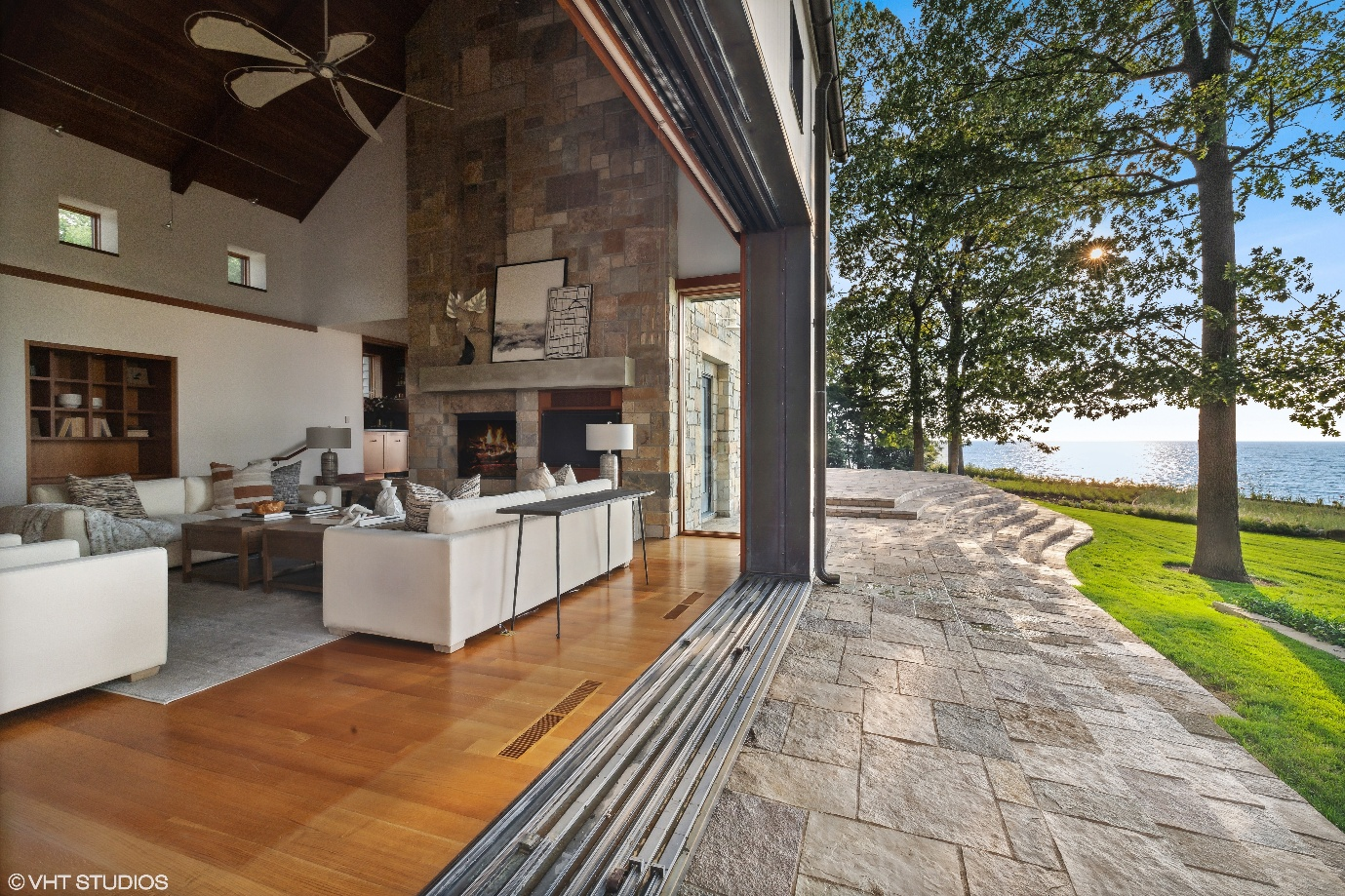
3. Create Natural Transitions Between Home and Shoreline
The transition from the residence to the water should feel effortless. Patios, terraces, pathways, and outdoor seating areas can establish a gradual connection between indoor living spaces and the shoreline.
Natural stone, weather-appropriate decking, and restrained material palettes help connect the home's architecture with its surroundings. Curved pathways and informal planting can create a relaxed atmosphere, while thoughtfully placed seating encourages residents to enjoy different perspectives of the water.
For coastal properties, these transitions should also account for exposure to wind, moisture, and changing weather. Durable materials and practical layouts help outdoor spaces remain inviting without compromising their long-term functionality.
4. Protect the Shoreline Through Thoughtful Design
Waterfront landscaping must consider the ground beneath the beauty. Poorly planned grading, excessive runoff, and vegetation removal can contribute to erosion, affecting both the landscape and shoreline stability.
Where appropriate, native grasses, suitable deep-rooted plants, and professionally designed buffer zones can help stabilize soil and manage runoff. Avoid assuming that every shoreline needs the same solution; site conditions, local regulations, and water movement should guide decisions.
Consulting qualified landscape professionals can help property owners identify suitable approaches while preserving the natural character of the waterfront environment.
Elevate Your Waterfront Property With Thoughtful Design
A remarkable waterfront residence deserves landscaping that complements its natural surroundings. Liz Roch celebrates the distinctive appeal of waterfront real estate, helping buyers explore properties where architecture, setting, and lifestyle come together.
Whether you're considering waterfront homes, distinctive lakefront properties, or exceptional coastal properties, thoughtful attention to the landscape can help you recognize the full potential of a property's outdoor spaces. Reach out now.