
Buying a home by the water is about more than the view. A professional waterfront home inspection helps luxury buyers understand how the environment may be affecting the property beneath its polished finishes. For anyone exploring waterfront properties in Harbor Country, a closer look at structural integrity, moisture management, and specialized outdoor features can reveal details that a showing cannot.
1. Start With the Foundation and Structural Elements
Waterfront homes face conditions that can accelerate wear on concrete, masonry, framing, and other structural components. Inspectors should look for cracking, shifting, settlement, corrosion, and signs of water intrusion. Particular attention is important around lower levels, crawl spaces, retaining areas, and foundations exposed to changing water levels or saturated soil.
2. Examine Seawalls, Shorelines, and Erosion
A shoreline structure can be a major part of a waterfront property's protection, yet it is easy to overlook during a typical inspection. Buyers should examine seawalls, bulkheads, revetments, and related drainage for movement, deterioration, erosion, undermining, or inadequate water runoff control. Understanding who is responsible for shoreline maintenance can also be important before moving forward.
3. Look Closely at the Roof and Exterior Envelope
Moisture, wind, humidity, freeze-thaw cycles, and seasonal weather can place additional demands on roofing and exterior materials. Inspectors should evaluate shingles or other roofing systems, flashing, gutters, siding, windows, doors, decks, and exterior penetrations. Small openings can become significant sources of moisture damage when exposed repeatedly to wet conditions and heavy weather.
4. Investigate Drainage and Moisture Management
Water should move away from the house rather than toward it. Inspectors can assess grading, downspouts, sump systems, foundation drains, crawl spaces, basement areas, and other moisture-control measures. Signs such as staining, musty odors, efflorescence, warped materials, or elevated humidity may indicate current or previous moisture problems that deserve further investigation.
5. Review Mechanical Systems and Utilities
Luxury properties often include sophisticated heating, cooling, electrical, plumbing, irrigation, and water-management systems. These should be evaluated for age, condition, performance, and placement. Equipment located in vulnerable areas may require added protection from moisture or seasonal exposure. A thorough inspection can also identify maintenance needs that may not be obvious during a real estate tour.
6. Do Not Forget Docks and Waterfront Features
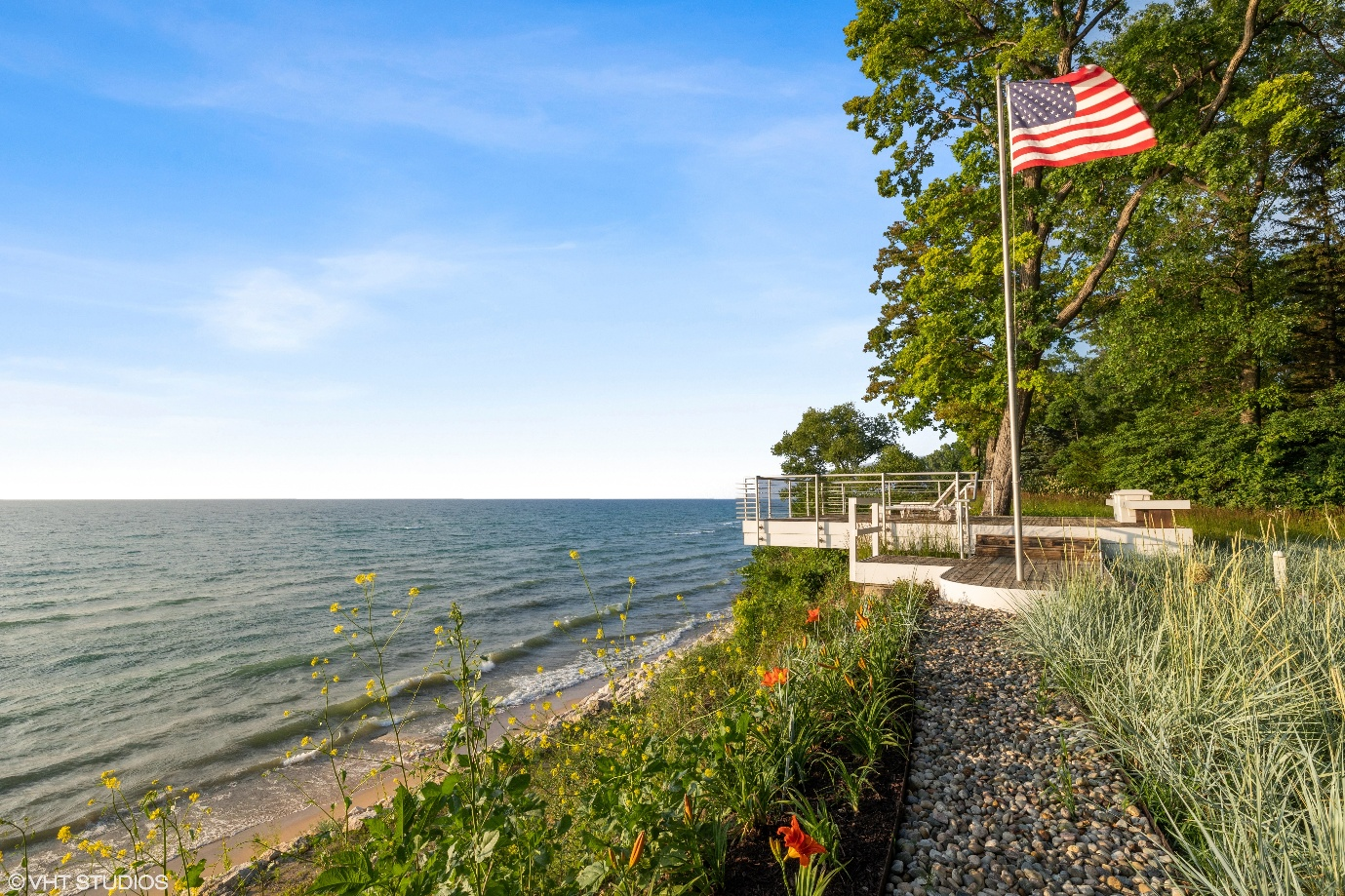
Docks, lifts, stairs, boathouses, seawall connections, and outdoor electrical components deserve careful attention. Inspectors should note structural stability, fasteners, corrosion, connections, and signs of deterioration. Buyers should also confirm permits, ownership responsibilities, and any applicable maintenance requirements for shoreline improvements.
7. Look Beyond the Surface Before You Commit
A beautiful setting can make it easy to focus on finishes and views, but the long-term condition of a property matters just as much. Reviewing inspection findings alongside comparable lakefront properties, current property listings, and broader waterfront real estate can help buyers understand both the home itself and the practical realities of owning it.
Explore Waterfront Properties With Confidence
When evaluating waterfront properties, work with a knowledgeable realtor in Harbor Country who understands their unique considerations. Liz Roch can help you navigate waterfront homes, lakefront properties, and waterfront real estate with informed attention to the details that make ownership rewarding. From first viewing through due diligence and closing. Reach out now.